JellyBean Font: Sweet Display Design & Free Download Guide
If you are looking for a typeface that brings instant joy and playful energy to your projects, the JellyBean free download is exactly what you need. This sweet, soft hand-lettered display font captures the essence of fun with its rounded characters and authentic feel. Whether you are designing for children, food brands, or creative crafts, securing a JellyBean font download gives you access to a versatile tool that stands out in a crowded market.
In this review, we will explore why this free Display font for Fonts enthusiasts is gaining traction among designers. We will break down its visual personality, discuss where it shines brightest, and clarify the licensing terms so you can use it confidently. From crafting stunning arts and crafts projects to creating memorable brand identities, understanding how to download JellyBean font free is the first step toward elevating your design game.
Design & Style Analysis
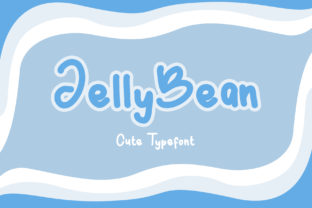
The visual appeal of JellyBean lies in its deliberate lack of rigid structure. Unlike geometric sans-serifs that prioritize efficiency, this typeface prioritizes charm. The letters are constructed with thick, rounded strokes that mimic the texture of soft candy or gelatinous shapes. This creates a tactile quality even on screen, inviting the viewer to touch the text.
Letterforms and Weight
The weight distribution is consistent yet organic. Each character feels slightly squishy, which adds a dynamic tension to static headlines. When you examine the letterforms closely, you notice that the terminals (the ends of the strokes) are perfectly rounded, avoiding any sharp angles that might disrupt the friendly mood. This makes it an ideal premium Display font alternative for those seeking high-quality aesthetics without the steep price tag initially.
Spacing and Rhythm
One of the most critical aspects of any professional Fonts font is its kerning and spacing. JellyBean features generous tracking by default, allowing each character to breathe. This open spacing prevents the text from feeling cluttered, even when used in large sizes. For designers accustomed to tighter, more compact typefaces, this breathing room provides a refreshing change that enhances readability while maintaining a whimsical tone.
Best Uses for JellyBean
While many display fonts are limited to specific niches, JellyBean offers surprising versatility. Its playful nature makes it suitable for a wide array of applications, provided it is paired correctly with more neutral typefaces.
JellyBean for logo design
Creating a logo requires a mark that is instantly recognizable and memorable. The unique shape of the characters in JellyBean ensures that logos stand out. It is particularly effective for brands in the confectionery, toy, or entertainment sectors. However, because the font has strong personality, it works best as a standalone logotype rather than combined with complex graphics.
JellyBean for branding
When building a brand identity, consistency is key. Using JellyBean across business cards, social media headers, and packaging creates a cohesive visual language. Its warm and inviting aesthetic helps humanize a brand, making it feel approachable and customer-friendly. If you are launching a startup that wants to appear modern yet playful, this font serves as an excellent foundation for your visual strategy.
JellyBean for wedding invitations/cards/typography
Wedding typography often leans towards elegant scripts or classic serifs, but there is a growing trend towards casual, joyful designs. JellyBean fits perfectly into this category. It adds a touch of sweetness to save-the-dates, menus, and thank-you notes. The soft curves complement floral elements beautifully, creating a romantic yet lighthearted atmosphere for special events.
JellyBean for posters/social media/packaging
In the fast-paced world of social media, bold visuals stop the scroll. Large-scale typography using JellyBean commands attention on Instagram posts and Pinterest pins. Similarly, on product packaging, the font’s chunky appearance suggests quality and fun, drawing consumers’ eyes to the shelf. It is a powerful tool for marketing campaigns targeting families or young adults.
Font Pairing & Combinations
A common mistake designers make is letting a display font do all the heavy lifting. To create balance, you need to understand what fonts pair well with JellyBean. Because JellyBean is visually loud and irregular, it pairs best with clean, simple typefaces that provide stability.
For a classic look, try pairing JellyBean with a clean sans-serif like Helvetica or Arial. The contrast between the playful header and the neutral body text creates a professional hierarchy. Alternatively, for a softer approach, consider a light serif font. This combination works wonders for editorial layouts or blog graphics where readability is paramount.
Exploring JellyBean font pairing options allows you to expand its utility. By grounding the whimsical display font with a serious body font, you ensure that your message is not only attractive but also legible. This balance is crucial for maintaining credibility while still expressing creativity.
Licensing & Commercial Use
Before incorporating any typeface into your work, it is vital to check the legalities. A frequent question among designers is: is JellyBean free for commercial use? Generally, fonts found under "free download" labels may have restrictions. You must verify if the license permits commercial projects, such as client work or products for sale.
JellyBean commercial use rights vary depending on the source. Some platforms offer it for personal use only, requiring a separate purchase for commercial licenses. Always read the JellyBean font license agreement carefully. If you plan to use it for merchandise, advertising, or corporate branding, securing the proper license protects you from legal issues. Many designers opt for a font bundle or font pack that includes clear commercial rights to simplify this process.
How to Download & Use JellyBean
Getting started with JellyBean is straightforward. You can find the JellyBean free download on various reputable font repositories. Platforms like CreativeFabrica, DaFont, and FontSquirrel often host user-uploaded typefaces. When you download JellyBean font free, ensure you are getting the correct file format, typically .ttf or .otf.
Once installed, integrating the font into your workflow is easy. Learning how to use JellyBean in Canva/Word/Photoshop opens up endless possibilities. In Adobe Photoshop, simply select the text tool and choose JellyBean from the font dropdown menu. In Microsoft Word, it will appear in your installed fonts list after installation. For web designers, you can embed the font using CSS @font-face rules, though browser compatibility should be tested.
Designer Notes & Tips
To get the most out of JellyBean, keep these practical tips in mind. First, always test your design in black and white. This helps you assess the true weight and spacing of the letters without color distractions. Second, pay attention to small-size readability. Display fonts like JellyBean may lose their detail when scaled down too much, so reserve them for headlines and large formats.
Finally, consider the JellyBean vs similar font debate. While other rounded fonts exist, JellyBean distinguishes itself through its specific hand-lettered charm and consistent curve radius. It offers a more authentic, less mechanical feel than standard geometric fonts. By choosing JellyBean, you are selecting a typeface that brings a unique, human touch to your designs, making it a valuable addition to any Display font collection.